Dual Diagnosis: When Addiction and Mental Health Disorders Overlap
Dr. Sarah Reeves, MD
Medical Director
Dual diagnosis — also called co-occurring disorders — refers to the simultaneous presence of a substance use disorder and one or more mental health conditions. This includes combinations such as:
- Opioid use disorder + depression
- Alcohol use disorder + anxiety
- Stimulant use disorder + ADHD or bipolar disorder
- Cannabis use disorder + psychosis or schizophrenia
Why co-occurring disorders are so common:
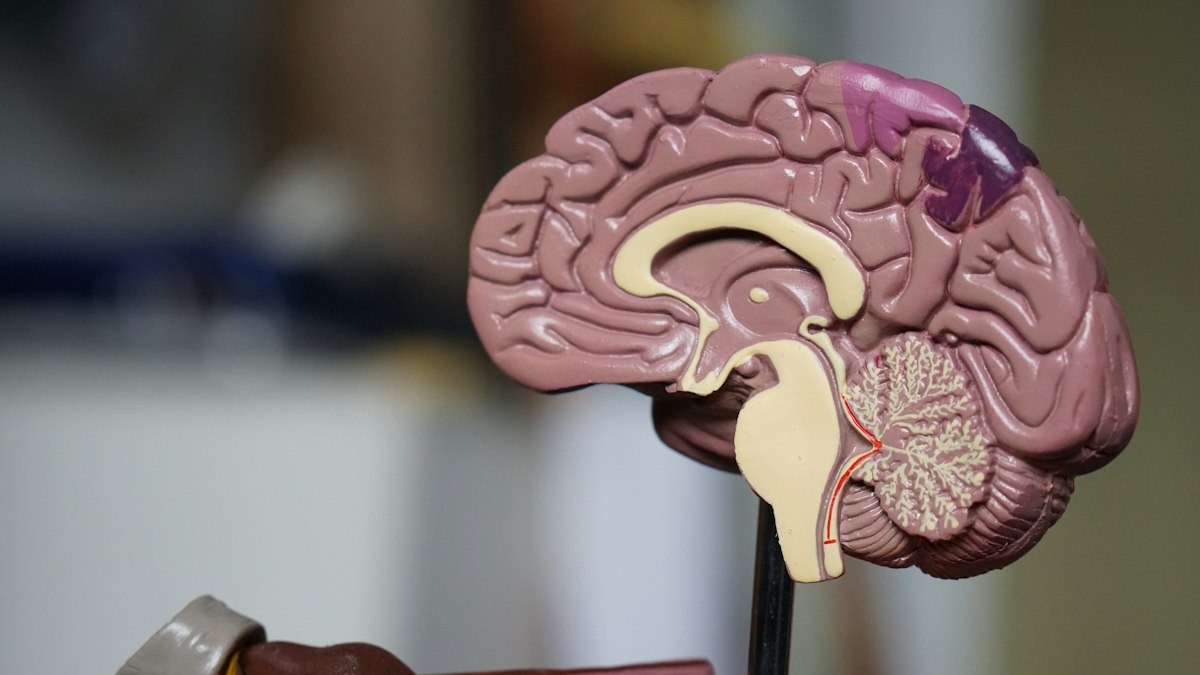
Neurologically, many of the same brain circuits govern both mood regulation and reward-seeking behavior. Trauma, which is a significant risk factor for both addiction and PTSD, often sits at the root of both conditions simultaneously.
Why treating only one condition fails:
Studies consistently show that treating addiction alone — without addressing underlying depression, trauma, or anxiety — dramatically increases relapse rates. Conversely, treating depression without addressing substance use yields poor outcomes because ongoing substance use disrupts the neurochemical environment that antidepressants require to function.
What integrated dual diagnosis treatment looks like:
At Better Tomorrow, every client receives a comprehensive psychiatric evaluation at intake. Treatment plans address both conditions simultaneously through a combination of therapy modalities (DBT, CBT, trauma-focused therapy) and medication management when appropriate. Our case managers coordinate care across disciplines to ensure nothing falls through the cracks.